
If your kitchen or bathroom feels a little tired but a full renovation just isn’t in the cards, here’s your secret weapon: new cabinet hardware. Swapping out old knobs and pulls is one of the fastest and most budget-friendly upgrades you can make—and the transformation is instant. Think of it as jewelry for your cabinets. With just a few simple changes, you can take your space from builder-grade and blah to polished and custom, often in under an hour. Whether you’re leaning modern, farmhouse, or something in between, the right hardware can totally redefine your room’s vibe.
The best part? It’s absolutely beginner-friendly. You don’t need power tools, a contractor, or even a free weekend—just a screwdriver, a tape measure, and a little style inspiration. In this guide, we’ll walk you through everything: how to choose the right hardware for your style and cabinet layout, how to measure for perfect placement, and how to install it cleanly and confidently. Whether you’re updating a single vanity or an entire kitchen, this small DIY project delivers big impact—with minimal effort.
Choose Your Style (and Finish) Wisely
Start by thinking about the overall vibe you want your space to give off. Is it modern and bold? Warm and classic? Sleek and minimal? Your cabinet hardware sets the tone. If you have white or light-colored cabinets, consider matte black or brushed brass for a striking, modern contrast. For darker cabinets or rich wood tones, polished nickel or antique bronze adds warmth and depth without overwhelming the look. And yes, mixing metals is totally fair game—black hardware paired with stainless steel appliances can create a balanced, intentional style that feels fresh and updated.
Not sure whether to go with knobs or pulls? Here’s a simple guideline: knobs are ideal for cabinet doors, while pulls are generally better for drawers—especially heavier ones that need more grip. Pulls also tend to feel a bit more contemporary, while knobs keep things traditional and understated. Of course, there’s no strict rulebook here. Some people love the uniform look of using all pulls; others go full vintage with only knobs. The beauty of hardware is that it’s easy to experiment with and even easier to change if you decide to switch it up down the line.
Measure and Match Your Centers
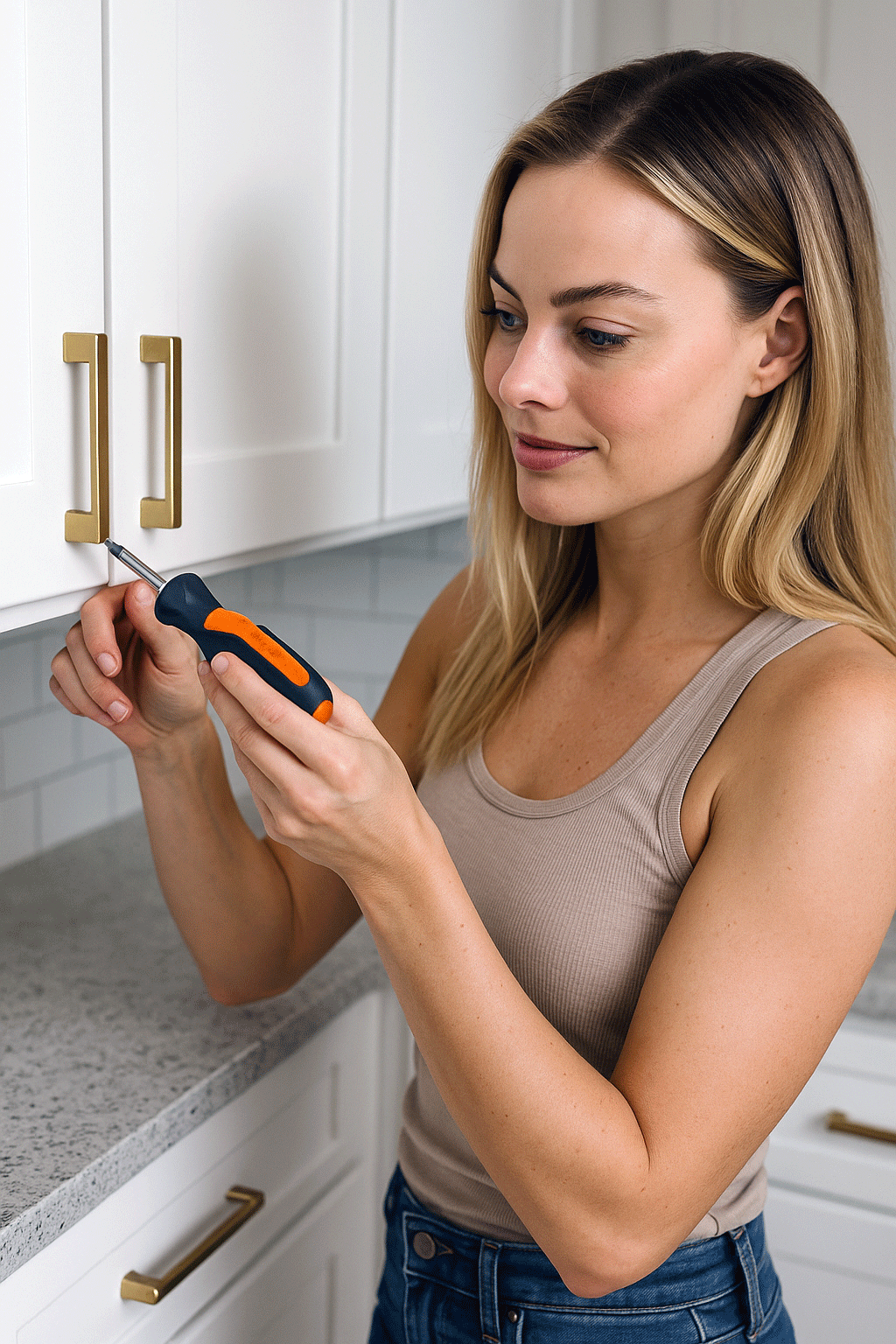
If you’re replacing existing hardware, the first step is to measure the distance between the two screw holes on your current pulls—this is known as the center-to-center measurement. The most common size is 3 inches (76 mm), but older or custom cabinets may have different spacing. Matching this measurement makes the swap a breeze since you won’t need to patch old holes or drill new ones, saving both time and effort.
Planning to switch from knobs to pulls or upgrading to longer, more modern handles? That usually means drilling new holes—but don’t worry, it’s easier than it sounds. Just grab a cabinet hardware jig (they’re widely available and often under \$10). This simple tool helps you measure and mark hole placements consistently across every drawer and door, so you get a clean, professional look without any guesswork—or crooked handles.
Install with Care (and Confidence)
Once you’ve chosen your new hardware and confirmed the hole spacing, it’s go time. Start by grabbing a screwdriver—or a drill on low speed—and remove the old knobs or pulls. If you’re installing new pulls that require two screws, use your hardware jig or a level and tape measure to mark the exact placement of the holes. Drill pilot holes using a 3/32” bit to help guide the screws and prevent the wood (or laminate) from splitting during installation.
Feed the screws through the back of the cabinet or drawer face, line up your hardware, and tighten everything by hand or with a drill set to low torque. Be careful not to overtighten—especially on MDF, laminate, or older cabinets—as that can strip the screw holes or even warp the cabinet face. If you’re working with thicker drawer fronts or double-faced drawers, double-check your screw length before you start. Most hardware includes a couple of screw sizes, so take a moment to test fit and make sure the hardware sits snug without forcing anything.
Patch and Paint (If You’re Changing Hole Positions)
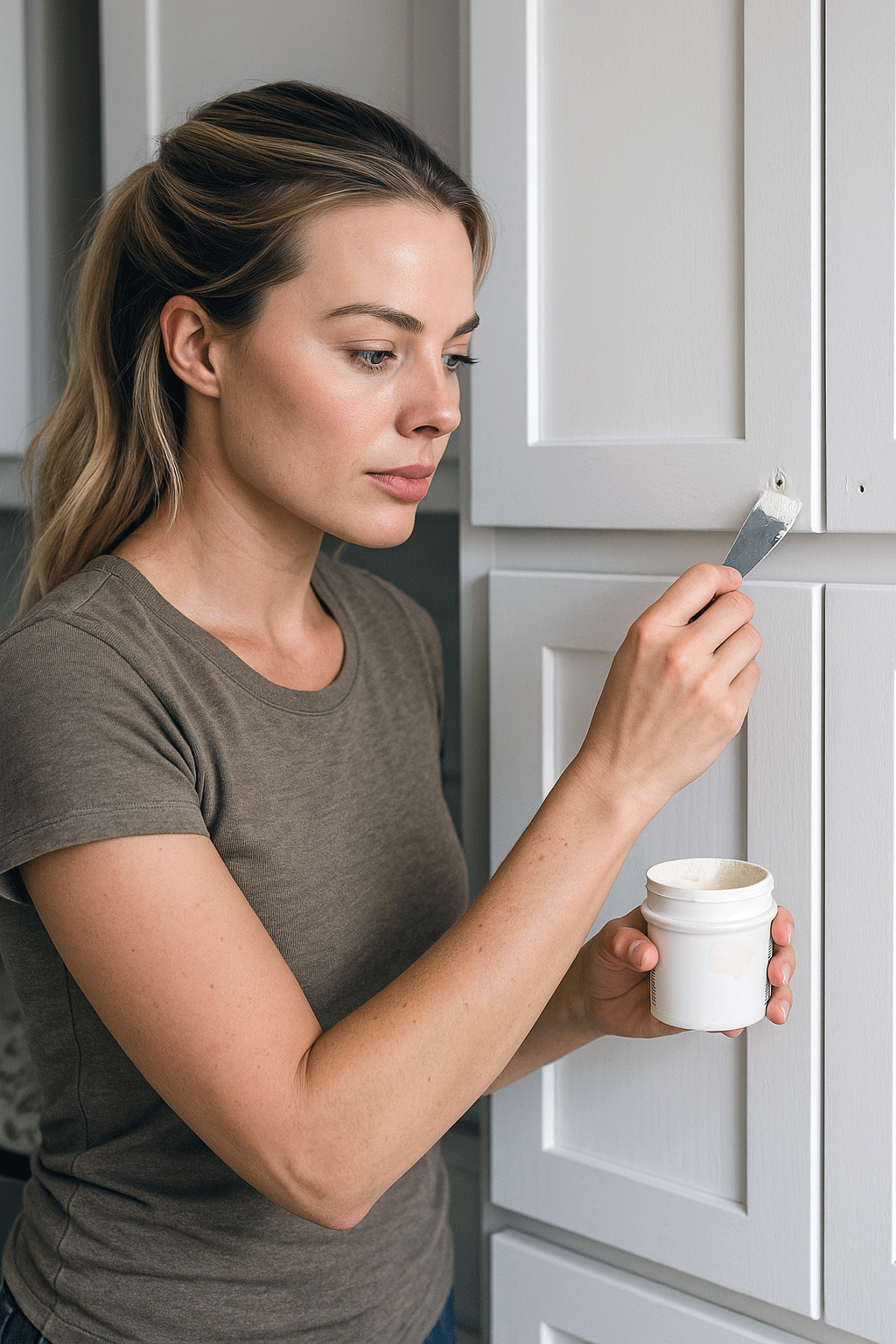
If your new hardware doesn’t line up with the old holes, don’t panic—it’s a simple fix. Use a good-quality wood filler to patch the holes, ideally one that matches your cabinet color or is stainable/paintable to blend seamlessly. Apply the filler with a putty knife, let it dry completely, then sand it smooth until it’s flush with the surface. After that, touch up the area with matching paint or finish so the repair disappears into the background.
Once the patched spots are dry and smooth, you’re ready to mark and drill your new holes. Use a hardware jig for accuracy, or carefully measure with a level and tape measure to get perfect alignment. It might sound like a hassle, but this entire process usually takes less than 30 minutes—and it’s well worth the effort for a clean, professional-looking upgrade.
Finishing Touches and Final Tips
Once all your hardware is installed, take a step back and admire the transformation. Give the cabinet fronts a quick wipe-down to remove any dust, fingerprints, or smudges left behind during installation. If you’re feeling extra ambitious, consider upgrading to soft-close hinges or adding stylish drawer liners—those small finishing touches go a long way in making your space feel fresh, intentional, and a little more high-end.
It’s amazing how something as simple as new knobs or pulls can completely shift the mood of a room. Whether your cabinets are basic builder-grade, charmingly vintage, or anything in between, updated hardware adds instant personality and polish. It’s a small change with a big payoff—and best of all, you did it yourself.
Final Thoughts
Updating cabinet hardware is one of those quick, satisfying weekend wins that makes a big visual impact without the stress of a full-blown renovation. You don’t need specialized tools or a major budget—just a bit of prep work, a steady hand, and a clear idea of the style you want. Whether you’re going for matte black modern, warm brass vintage, or sleek stainless steel, the right hardware can instantly elevate your space and make your cabinets feel brand new. So go ahead—grab that screwdriver and start transforming your kitchen or bathroom, one handle at a time. It’s a simple DIY with a seriously rewarding payoff, and the kind of upgrade you’ll appreciate every single day.
One thing a lot of folks overlook when upgrading cabinet hardware is size and scale. It’s not just about picking a pretty knob or pull—proportion matters. Big drawers usually look best with longer pulls (think 6 inches or more), while smaller doors and drawers feel more balanced with compact knobs or medium-length pulls. Want a sleek, modern look? Go for straight bar pulls. Prefer something a bit more vintage or classic? Cup pulls or round knobs might be your jam. A little thought here goes a long way toward making everything feel intentional and cohesive.
It’s also smart to think beyond style and consider how the finish will hold up. Matte black looks amazing but can show fingerprints and smudges, especially in high-traffic kitchens. Brushed brass and satin nickel are more forgiving and tend to hide wear better over time. If you’re updating a bathroom, keep in mind that moisture and humidity can affect some finishes, so it’s worth choosing something rust-resistant or sealed. Matching your hardware to your lifestyle—not just your mood board—will help it look good for years to come.
And finally, a quick word on where to shop: while big-box stores have solid options, you can often find better prices and more stylish choices online. Look for bundles if you’re upgrading a whole kitchen—you’ll usually save a chunk of change buying in packs. Sites like Amazon, Wayfair, and specialty hardware shops often carry on-trend styles under $5 apiece. A little digging can land you some real gems without blowing your budget.