
Let’s be real—most of us don’t have the luxury of a massive, magazine-worthy kitchen with endless cabinets and a walk-in pantry. In fact, if you’re working with a galley layout or a tiny L-shape tucked into a corner, even making a sandwich can feel like a game of kitchen Tetris. But that doesn’t mean you’re stuck feeling cramped every time you open a cabinet or prep dinner. With the right mix of design tricks, smart storage solutions, and a little visual strategy, you can completely transform how your small kitchen feels—without knocking down a single wall or calling in a contractor.
Whether you’re dealing with 100 square feet or even less, there’s a lot you can do to make the space feel open, functional, and inviting. From clever lighting upgrades and reflective surfaces to open shelving and streamlined organization, these small changes add up to a big difference. You’d be surprised how much more enjoyable your kitchen can feel just by shifting a few things around. And the best part? These tips won’t blow your budget. You don’t need a renovation—you just need a weekend, a few tools, and a little creative energy. Let’s dive in and make that small kitchen work smarter—and look better—than ever.
Why Small Kitchens Are Common
Small kitchens are more common than you might think—and not just in studio apartments or tiny homes. In fact, millions of people live with kitchens under 120 square feet, especially in older houses, city apartments, and modest suburban builds where space is at a premium. Back in the day, kitchens weren’t designed for entertaining or sprawling island prep—they were built strictly for utility. And even in modern builds, open-concept layouts sometimes sacrifice kitchen square footage in favor of larger living rooms or dining areas.
But here’s the thing: a small kitchen doesn’t have to be a limitation. It can actually be a blessing in disguise. Less square footage means less to clean, easier organization, and tighter workflow zones if set up right. With some smart styling, a little decluttering, and thoughtful use of color and light, even the tiniest galley or U-shaped kitchen can feel airy, open, and surprisingly spacious. It’s not about how much room you have—it’s about how you use it.

Lighten It Up
One of the quickest and most affordable ways to make a small kitchen feel bigger is to brighten things up—literally. Dark cabinets, busy backsplash patterns, and bulky window treatments can quickly crowd a space and make it feel like the walls are closing in. On the flip side, light and airy colors create a sense of openness and calm. Repainting your walls and cabinets in soft, neutral shades like crisp white, creamy beige, or pale gray can instantly make the room feel more expansive. Even just swapping out a few dark cabinet doors or repainting the backsplash in a lighter tone can make a surprising difference.
Natural light is your best design partner in a tight kitchen. If you’ve got a window, make the most of it—ditch heavy drapes or blinds and go for something breezy like sheer linen panels or no window treatment at all. If your kitchen doesn’t get much sunlight, you can still fake that bright, open feeling. Install LED under-cabinet lights to banish shadows, add a higher-lumen ceiling fixture, or bring in warm-toned daylight bulbs to mimic natural light. The more evenly lit your space is—especially in corners, under cabinets, and over work areas—the more open and fresh it’s going to feel.
Choose Open Shelving Strategically
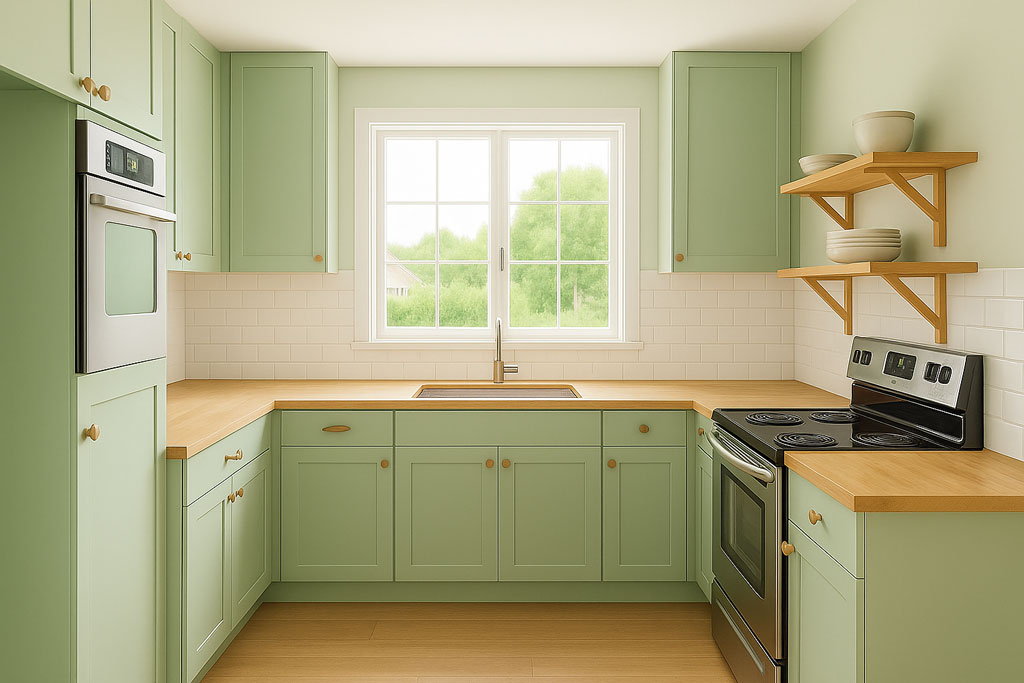
Open shelving can totally shift the vibe of a small kitchen—but like any bold move, balance is everything. Swapping out a few upper cabinets for open shelves instantly creates visual breathing room and makes the walls feel farther apart. It’s a great way to lighten things up without losing storage. The trick is to keep things neat and intentional. Think of open shelving as both storage and display—use it for your prettiest everyday plates, go-to mugs, or a curated lineup of glass jars with dry goods. A small row of cookbooks or a potted herb can add warmth without overwhelming the space.
To keep the look clean and cohesive, stick to dishware in the same color family or choose containers with similar shapes and textures. The more unified it looks, the less it will visually clutter the room. And hey—if fully committing to open shelving feels a little too risky, just dip your toes in: remove the doors from a couple of upper cabinets and give the inside a fresh coat of paint. You’ll get the same airy effect without any major commitment, and you can always go back if you change your mind.
Rethink Your Storage
In a small kitchen, storage isn’t just helpful—it’s essential. Every inch has to work smarter, not harder. That means getting creative with the space you do have, especially in spots that are easy to overlook. Start by rethinking the inside of your cabinets. Deep lower cabinets can become black holes if not managed well, so add pull-out shelves, wire baskets, or a lazy Susan to bring everything within easy reach. The backs of cabinet doors are prime real estate too—install small hooks or adhesive organizers to hold measuring spoons, pot lids, or even your favorite spices.
Don’t stop at the cabinets. Look up! If there’s a gap between your upper cabinets and the ceiling, that’s the perfect spot for a narrow shelf to hold rarely used items like cake stands, holiday platters, or backup paper towels. And walls? They’re not just for decor. Add a magnetic knife strip, wall-mounted rails for utensils, or a pegboard to hang pans and tools. The golden rule is simple: keep the countertops clear. The less visual clutter you have, the bigger and calmer your kitchen will feel—like it’s ready to work with you, not against you.
Opt for Reflective Finishes
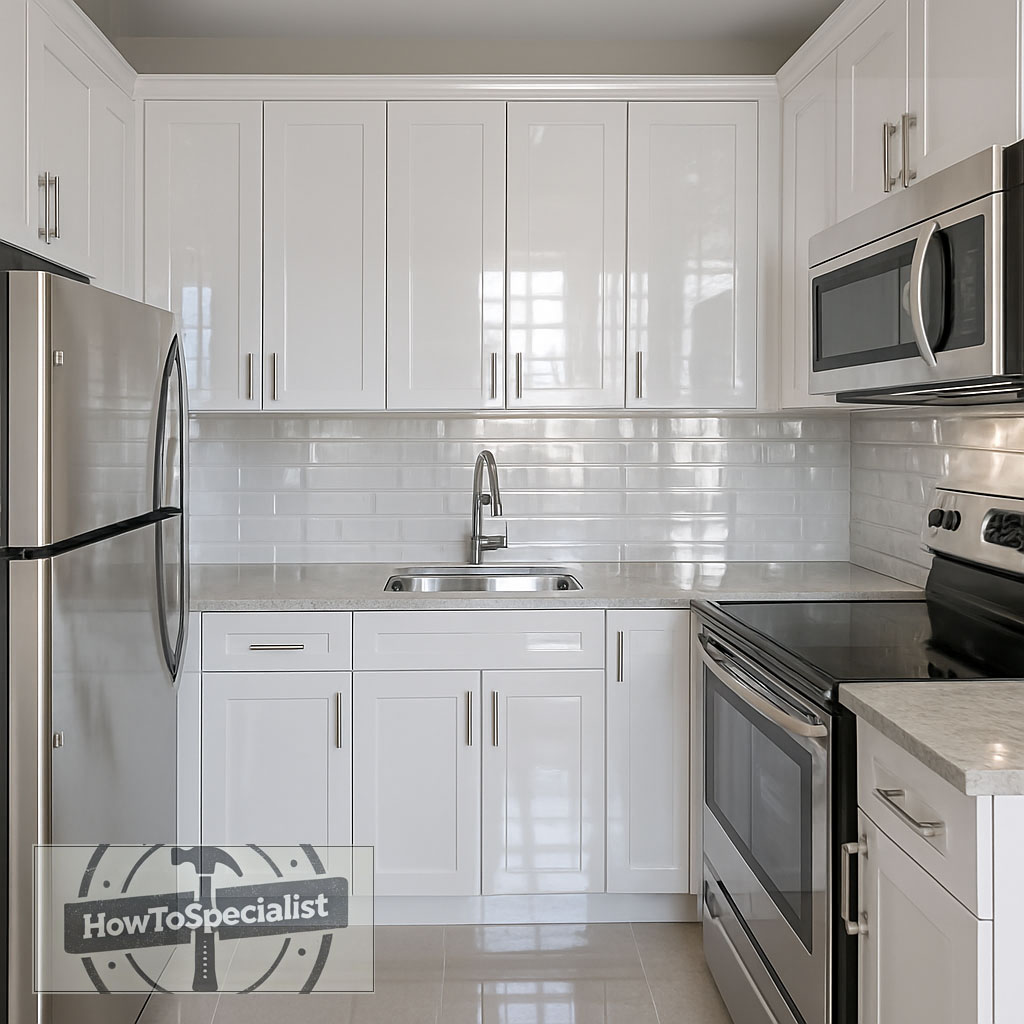
Glossy surfaces are a secret weapon in small kitchens—they reflect light, add a sense of depth, and create the illusion of more space without changing your layout at all. Shiny finishes help light bounce around the room, making it feel brighter, cleaner, and more open. Consider materials like high-gloss subway tile for the backsplash, polished quartz or laminate countertops, and stainless steel appliances that naturally reflect both natural and artificial light. Even small touches—like chrome drawer pulls, a mirrored tray, or a glass-front cabinet—can amplify the effect without overwhelming the space.
If you’re looking for a quick weekend upgrade with big results, try giving your existing cabinets a facelift with a high-gloss paint or sealer. Choose light, reflective tones to get the most bang for your buck. You can also repaint your backsplash tile using a specialty tile paint designed for kitchens—just make sure it’s water-resistant and durable. These small tweaks don’t cost a lot, but they go a long way in making a compact kitchen feel fresh, modern, and far more spacious.
Keep Your Layout Simple and Functional
A good layout can truly make or break a small kitchen. You don’t need a sprawling island or double ovens to have a functional space—you just need flow. When your main work zones—the sink, stove, and refrigerator—are easily accessible and free of obstacles, everything from cooking dinner to cleaning up becomes quicker and more enjoyable. Start by clearing the clutter. If your countertops are packed with appliances, trays, or spice racks, it might be time for a little kitchen edit. Ask yourself what you really use daily, and store the rest out of sight. The more open your counters are, the larger and more functional your kitchen will feel.
And the beauty is, you can often upgrade how your kitchen works without moving a single cabinet. A slim rolling cart gives you extra prep space when needed and slides away when not in use. A wall-mounted drop-leaf table can create a cozy breakfast nook or an instant baking station. Even that awkward empty wall can be transformed with a pegboard or a few floating shelves. These low-cost, high-impact changes let you make the most of what you already have—and they flex with your needs. It’s all about thinking smarter, not bigger.
Use Rugs and Decor to Define Space
It may sound simple, but the right rug or wall art can completely shift the feel of a small kitchen. Design isn’t just about function—it’s also about how a space makes you feel when you walk into it. A narrow runner with a light, geometric pattern can instantly elongate the room and guide the eye through the space. It adds warmth underfoot and gives the kitchen a finished, cozy vibe. Likewise, a large piece of wall art or a well-placed mirror on the far wall creates a focal point and adds a sense of dimension, making the room feel bigger than it really is.
That said, restraint is key. In a compact kitchen, visual clutter builds up fast. Stick with one or two statement pieces that really reflect your style, and let them shine. The rest of your decor should lean simple and practical—think clean lines, neutral tones, and textures that complement your finishes. When everything has a purpose and a place, even the smallest kitchen can feel curated, inviting, and refreshingly open.
Flooring Continuity
Flooring might not be the first thing you think about when trying to open up a small kitchen, but it plays a huge visual role. If your kitchen connects to another space—like a dining room, hallway, or living area—using the same flooring throughout can make everything feel more cohesive and less chopped up. That uninterrupted flow tricks the eye into seeing a larger, more unified area instead of separate, confined rooms. Even if you can’t use the exact same material, choosing a floor in a similar color tone or plank direction can help maintain that open feel.
In contrast, switching to a drastically different floor in the kitchen (like a dark tile next to light wood) can visually box in the space, making it feel more isolated and even smaller than it is. Seamless transitions help your layout breathe, especially in open-concept or semi-open homes. Whether it’s vinyl plank, hardwood, laminate, or tile, sticking to one consistent look underfoot will instantly make your kitchen feel like part of a larger, flowing whole—rather than a tiny, stand-alone nook.
Final Thoughts
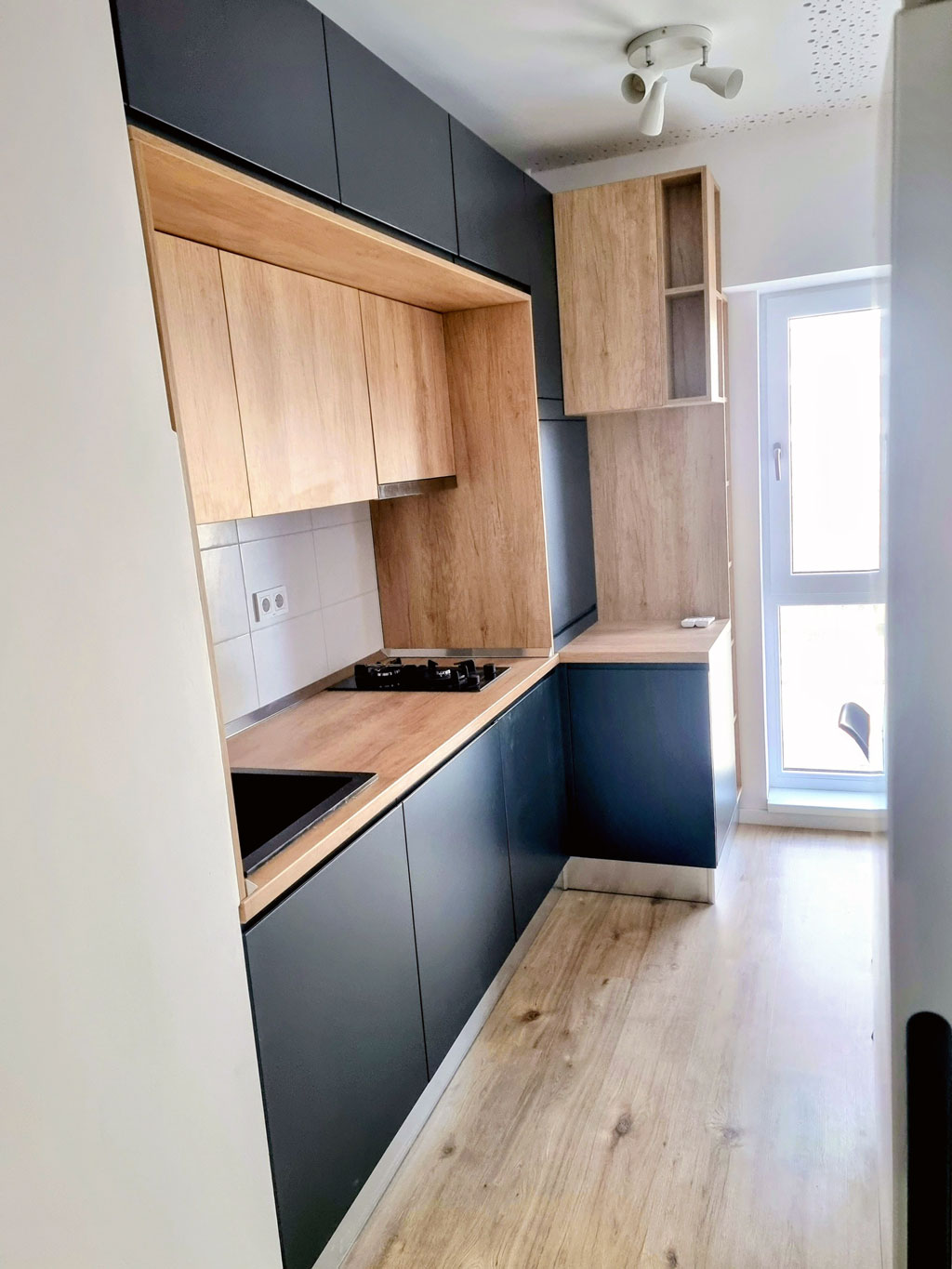
You don’t need a full-scale renovation to make your small kitchen feel bigger—you just need a little strategy, some smart styling, and the courage to let go of what’s not working. By making intentional choices with color, lighting, storage, and layout, you can completely shift how your space looks and feels. It’s about working with what you’ve got, not against it. Even the tiniest kitchen can become a light-filled, clutter-free, and genuinely enjoyable place to cook, gather, and create when you focus on what actually adds value.
So before you start pricing out demo work or dreaming of expanding walls, take a breath—and take stock. A few well-placed updates, a little elbow grease, and some creative thinking can go a long way. You might be surprised at just how big your small kitchen can feel when it’s working smarter, not harder. And honestly? There’s something incredibly satisfying about transforming your space with your own two hands—and proving that you don’t need a big budget to make a big impact.
FAQ: Making the Most of Your Small Kitchen
What color makes a small kitchen look bigger?
Light, neutral tones like white, pale gray, warm beige, and soft pastels help reflect natural and artificial light. This makes the space feel brighter and more open—especially when used on cabinets, walls, and backsplashes.
What should you not do in a small kitchen?
Avoid cluttering the countertops with appliances you rarely use. Skip dark paint colors that absorb light, and steer clear of bulky furniture that eats up floor space. Instead, choose sleek, multi-functional pieces that keep the flow open.
How can I maximize vertical space in a small kitchen?
Use tall shelves, stackable storage bins, and hooks on the inside of cabinet doors. A hanging pot rack or pegboard can also free up drawer space and give everything a place.
Does open shelving really help in a small kitchen?
Yes—but only if it’s done thoughtfully. Open shelves can create visual space and make your kitchen feel lighter, but they need to be neat and uncluttered to work their magic.
How often should I update or refresh a small kitchen?
You don’t need a major overhaul. Small updates every year or so—like swapping out hardware, repainting, or refreshing your lighting—can keep the space feeling fresh and modern without a full renovation.
2 comments
This is food for thought. I do not have a small kitchen but the layout is all wrong. I’m going to mock up the footprint on the computer and move things around until I can’t make it any better.
That sounds like a smart plan! Sometimes a fresh layout makes all the difference—have fun experimenting with the design!