
If your kitchen is begging for a refresh but your wallet says “not today,” a DIY backsplash project might be just the sweet spot. The right backsplash doesn’t just protect your walls—it can completely transform your kitchen or bathroom, adding texture, color, and a sense of personality that cabinets and countertops alone just can’t deliver. It’s the design equivalent of finishing a great outfit with the perfect statement necklace—suddenly everything feels pulled together. And the best part? You don’t need to spend hundreds on artisan tile or bring in a pro to make it happen. With a little creativity and the right materials, you can build a backsplash that looks like a million bucks, for a whole lot less.
In this post, I’m laying out some of the best affordable DIY backsplash ideas that deliver serious style without blowing your budget. These aren’t complicated renovations that require tile saws, years of experience, or contractor rates. These are hands-on, weekend-friendly projects that you can tackle yourself, whether you’re in a rental, updating a starter kitchen, or just trying to make the most of what you’ve got. We’ll talk about everything from peel-and-stick tiles and painted backsplashes to wood paneling and even faux brick. Most of these ideas require only basic tools, some prep work, and a good playlist to keep you company while you work. So if you’re tired of staring at a blank wall, outdated tile, or whatever the builder installed twenty years ago, this is your sign. It’s time to roll up your sleeves, grab a level and a caulk gun, and take your kitchen from “meh” to magazine-worthy—without breaking the bank or losing your weekend. Let’s get started.
One valuable element that’s easy to overlook during a DIY backsplash upgrade is lighting—both during installation and after your project is finished. Good lighting can completely change the way your backsplash looks and feels. Even a simple strip of LED lights under the upper cabinets can highlight textures, deepen colors, and make your design pop—especially in the evening when ambient light is low. Whether you’re showcasing crisp subway tile, the texture of faux brick, or the clean finish of painted beadboard, a bit of lighting turns your hard work into a real showpiece. And the best part? Most under-cabinet lighting kits are plug-and-play, affordable, and easy to install without an electrician.
Another important consideration is long-term maintenance. It’s easy to get caught up in the excitement of design and installation, but you’ll thank yourself later for choosing materials that are easy to clean. Smooth finishes like peel-and-stick tile, painted panels, or properly sealed ceramic are all great low-maintenance choices. If you’re using something more porous or textured—like faux brick or wood—be sure to seal it well with a water-resistant topcoat. That quick extra step will protect your backsplash from grease, stains, and moisture, especially in high-splash zones like behind the sink or stove. A few minutes of sealing now means less scrubbing and touch-ups later, keeping your kitchen looking fresh and finished for years to come.

Peel-and-Stick Tiles: The Easiest Glow-Up
Let’s start with the MVP of budget-friendly and renter-approved backsplash makeovers: peel-and-stick tiles. These aren’t the flimsy decals of the past—they’ve come a long way in quality and design. You’ll find them in a wide range of styles like classic white subway tile, bold geometric mosaics, faux marble, and even realistic-looking faux stone or metallic finishes. Brands like Smart Tiles and Art3d lead the pack, offering thick, durable vinyl and gel options that are resistant to humidity, easy to wipe clean, and designed to stay put—even in busy kitchens with lots of heat and splatter.
Installation is refreshingly simple. After giving your wall a good clean (a degreaser works wonders here), just measure, cut with scissors or a utility knife, and press into place. No grout, no thinset, no mess. Many of these tiles come with built-in grout lines that give them a realistic 3D texture, so unless someone’s running their hand along the wall, they’ll never guess it’s not real tile. These are especially handy in small areas like behind a range, above the sink, or as a quick update around floating shelves. And for under $100, you can often cover an entire wall and completely shift the vibe of your kitchen. It’s high impact with almost zero hassle.
Painted Backsplash: Affordable, Custom, and Full of Personality
If you’re not afraid to roll up your sleeves and tap into your artsy side, painting your backsplash can be one of the most satisfying and affordable ways to refresh your kitchen. Whether you’re dealing with dated tile, laminate, or just bare drywall, paint opens up a world of possibilities. You can keep it simple with a clean, bold color, or get creative with stencils, painter’s tape, and layering techniques to mimic high-end finishes—like subway tile, geometric patterns, or even intricate Moroccan-style cement designs. It’s the kind of project that lets you make your space totally yours, even on a shoestring budget.
The secret to making painted backsplashes durable enough for real kitchen life is all in the prep and sealing. If you’re working over tile or laminate, start with a high-adhesion bonding primer to help the paint grip. Follow that with a couple of coats of quality enamel or specialty tile paint, and finish with a water-resistant clear topcoat. This will help protect your design from grease, splashes, and everyday wear. And here’s the beauty of it: if your style evolves or you change your color scheme down the line, you’re not stuck. You can sand it lightly, re-prime, and start fresh anytime. It’s a flexible, low-commitment DIY that still gives off big “custom kitchen” energy.
Beadboard or Shiplap Panels: Cozy, Clean, and Classic
If your heart beats for cozy kitchens with character—think farmhouse, cottage-core, or even a modern-rustic blend—beadboard and shiplap backsplashes are a perfect fit. These panels, typically made from MDF or wood, bring texture and warmth that tile just can’t replicate. You’ll find them pre-primed and ready to paint at most home improvement stores, which makes the project even more beginner-friendly. And because they come in large sheets or interlocking planks, they go up fast—especially if you’ve got a brad nailer and a good adhesive on hand.
What makes this option so appealing—besides the low price tag—is how custom it feels once painted and trimmed out. Add a crisp trim board along the top to cap the look, then roll on a couple of coats of satin or semi-gloss paint to match or complement your cabinets. Not only does that sheen add just the right touch of polish, but it also makes cleaning up splashes and spills quick and painless. Be sure to run a bead of caulk where panels meet and especially around water-prone areas like sinks and stoves. When sealed properly, this budget backsplash holds up beautifully—and brings all the charm of a designer kitchen without the designer price.
Faux Brick Panels: Rustic Vibes, Urban Edge
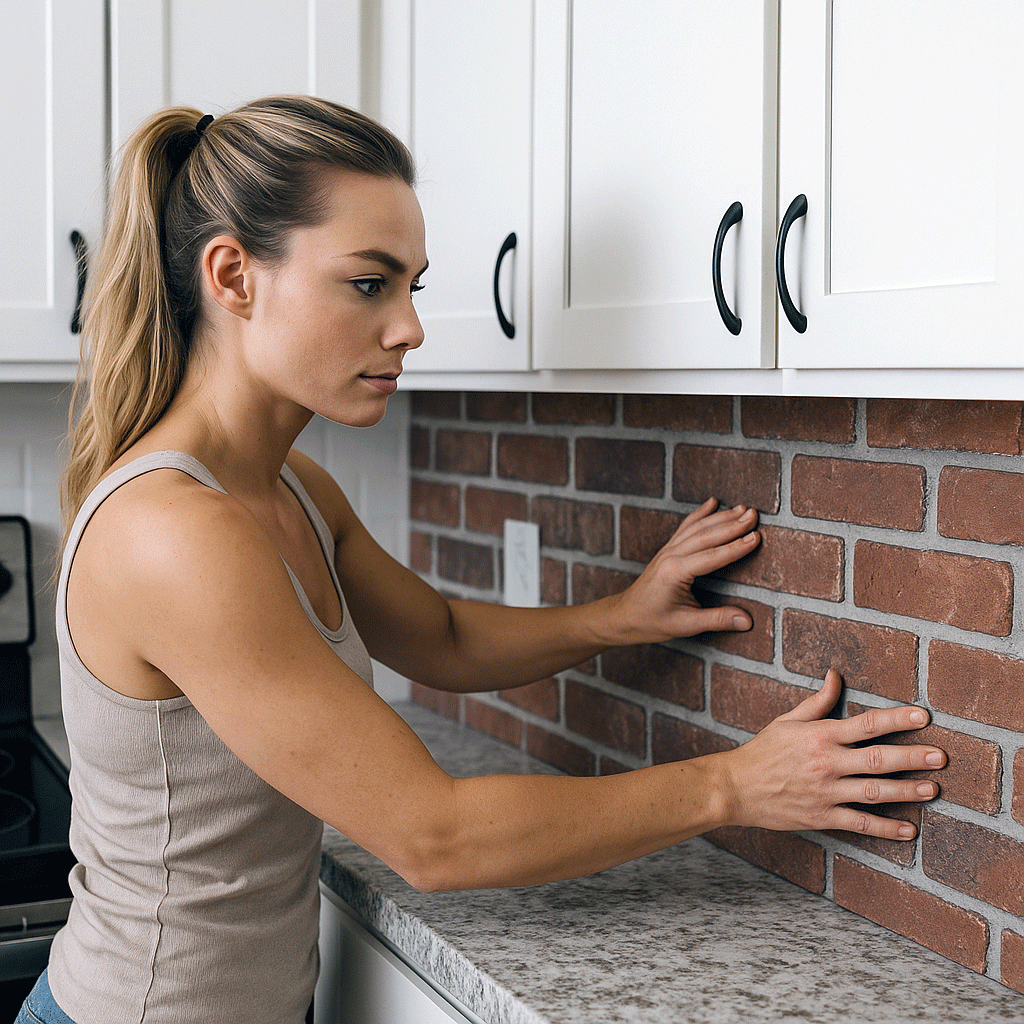
If you’re after a backsplash that adds instant character with a bold, textured look, faux brick veneer panels might be your secret weapon. These panels come in lightweight sheets that are easy to cut and install with construction adhesive—no mortar or grout required. Whether you’re going for a cozy urban loft vibe or rustic coffeehouse charm, faux brick delivers that classic brick texture without the cost or hassle of the real thing. You can keep it raw and red for an industrial look, whitewash it for a farmhouse feel, or go all-in with paint to match your color palette.
Faux brick really shines in areas where you want a standout feature—like behind open shelving, around a range hood, or even across an entire accent wall. You can usually find panels at big-box home improvement stores or online, with pricing around $40 to $60 per sheet, and each sheet covers a good amount of square footage. It installs faster than tile, requires fewer tools, and delivers serious design impact. For DIYers looking to add depth and texture without tiling for hours, faux brick is a game-changer. It’s one of those upgrades that immediately catches the eye and makes the whole kitchen feel more finished, layered, and high-end.

Tile Sheets and Budget Subway Tile: High-End Look, Low-End Cost
If you’re leaning toward a classic, clean look that never goes out of style, standard subway tile is a fantastic—and surprisingly affordable—way to upgrade your backsplash. Traditional white ceramic subway tiles are often under $1 per square foot, which means you can give your kitchen a high-end feel for the cost of a nice dinner. Stick to simple patterns like a straight stack or a classic offset (also called brick pattern), and you can install them with just a notched trowel, some tile adhesive, a tile cutter, and a bit of DIY patience. It’s the kind of project that looks intimidating at first but becomes really satisfying once you find your rhythm.
If you’re newer to tiling or just want to simplify the layout, mesh-backed tile sheets are a solid option. These sheets come with tiles pre-spaced and aligned, making it easier to keep your lines straight and your install time shorter. You can personalize the look even further with grout color—go with white or light gray for a timeless, airy finish, or use dark grout for contrast and a more modern, graphic edge. Once it’s grouted and sealed, subway tile gives off serious “custom kitchen” energy—and no one will guess you pulled it off for a fraction of what a pro would charge.
Final Touches Matter
Whatever route you choose—whether it’s tile, paint, peel-and-stick, or panels—it’s the finishing touches that take your backsplash from “nice try” to truly polished. It’s tempting to rush through the final steps once the main work is done, but those little details make all the difference. Before you even start, take a few extra minutes to wipe down your surface with a good degreaser. Grease and residue might not be visible, but they’ll absolutely mess with adhesion, especially for paint or peel-and-stick products.
After installation, go back through and seal up any gaps with painter’s caulk to give the edges a clean, seamless transition—especially where the backsplash meets countertops or cabinets. If your outlets are yellowed or mismatched, consider upgrading to new covers that match your design. And if you’ve gone the tile route, sealing the grout is a must. It helps protect your work from stains, moisture, and daily wear, especially around the stove and sink where splatters are a guarantee. These small but mighty steps don’t just protect your project—they elevate it, turning a simple DIY into a space that looks and feels professionally done.
Your Dream Kitchen Backsplash, On Your Terms
You don’t need a contractor, a six-figure remodel, or a kitchen ripped from a Pinterest board to create something beautiful. A DIY backsplash is one of those rare projects that punches way above its weight—it adds personality, texture, and visual interest to your space without demanding a ton of money or time. Whether you’re covering up builder-basic finishes, replacing tile from the last decade (or the one before that), or working with a totally blank slate, there’s an affordable, approachable way to make it truly yours.
So pick the style that speaks to you, gather your tools, and dive in. The best part of DIY is watching your space transform by your own hands—and knowing that it reflects your style, your work, and your budget. Great design shouldn’t be reserved for showroom kitchens. With a little grit and a good plan, you can bring that magazine-worthy look home—without ever calling a contractor.