
If you’re looking for a quick and satisfying upgrade for your kitchen or bathroom, peel-and-stick backsplash tiles might just be your new best friend. These little gems are budget-friendly, renter-approved, and come in a ton of styles—from classic white subway tiles to farmhouse-inspired shiplap patterns and even bold geometric designs. You don’t need a wet saw, fancy tools, or a full weekend to get it done. Just a clean wall, a bit of patience, and maybe a podcast in the background. The transformation is seriously impressive—and way easier than traditional tile work.
What I love about peel-and-stick tiles is that they’re approachable for just about anyone. Never tiled before? No problem. These are made for DIYers who want the look without the mess or commitment. They’re perfect for sprucing up a rental or giving your space a fresh new vibe before hosting dinner guests. With the right prep and a few smart tips—like how to cut around outlets and how to make sure they actually stick long-term—you’ll end up with a backsplash that looks high-end but costs way less than a pro install. So grab your level, a utility knife, and let’s walk through how to install peel-and-stick backsplash like a seasoned DIYer. You’ve got this!
Choosing the right peel-and-stick tile
Before you dive into the install, it’s worth spending a few minutes choosing the right type of peel-and-stick tile for your space. These tiles come in a range of materials—vinyl, gel, metal, and even stone composites—and each has its pros and cons. Vinyl tiles are lightweight, budget-friendly, and great for quick updates. Gel tiles have a 3D texture that mimics real tile, while metal and stone options bring extra durability and a premium look. If you’re planning to install near a stove or other heat source, be sure to check the product’s heat resistance rating—some are only rated for low heat and could warp over time.
It also helps to plan for a few extras when you’re buying materials. Always order 10–15% more tile than you think you’ll need to account for mistakes, pattern matching, or future touch-ups. And if you’re mixing styles, shapes, or colors, lay them out on the floor first to make sure the combo works before sticking anything to the wall. If you’re unsure about color or texture, many brands offer sample packs so you can test a few options against your cabinets and countertops before committing.
Finally, let’s talk about what to do if something goes wrong—or you want to remove the tiles later. If a tile doesn’t stick properly, it usually comes down to surface prep or temperature. Make sure the wall is warm, clean, and completely dry before applying. To remove a tile, warm it up slightly with a hairdryer to soften the adhesive, then gently peel it off. Any leftover residue can usually be cleaned with adhesive remover or rubbing alcohol. It’s also a smart move to tuck a few leftover tiles in a drawer for future fixes. A little planning and a few pro tips go a long way in making your peel-and-stick backsplash look flawless now—and stay that way later.
Start with a Smooth, Clean Surface
Let’s talk about surface prep—because when it comes to peel-and-stick tiles, it’s everything. These tiles rely on a good grip to stay in place, so the wall needs to be clean, dry, and as smooth as a pancake. Before you even think about peeling that backing off, wipe down the entire area with a degreaser or rubbing alcohol. This removes grease, dust, and any leftover cleaner residue that could keep your tiles from sticking properly. If you’ve just painted, hit the brakes and give that paint a good 2–3 weeks to fully cure before tiling. Trust me, rushing it here can cost you in the long run.
And while these tiles are super forgiving in many ways, they’re not miracle workers. Avoid installing them on rough or bumpy surfaces like brick, stone, or textured wallpaper—those just don’t give the adhesive a fighting chance. Your best bet is smooth drywall, painted surfaces, laminate, or even over existing ceramic tile if it’s flat and clean. Got a wall that’s a little too textured? No worries—lightly sanding it or applying a thin, smooth backing board can make all the difference. Prep smart, and your peel-and-stick project will not only look amazing—it’ll stay put for years to come.
Measure Twice, Plan Once
Before you peel a single tile, take a beat and map out your layout—it’ll save you a lot of frustration (and a few tiles) down the road. Measure the height and width of your backsplash area, then decide where your first tile will go. The trick is to start in the most visible spot—usually near the sink or stove—and work your way out. That way, any small cuts or odd seams land in corners or under cabinets where they’re less likely to be noticed. It’s a small detail that makes a big difference in how polished the final result looks.
Once you’ve picked your starting point, dry-fit a few tiles without removing the backing. This helps you visualize spacing and make sure everything lines up before you commit. Pay special attention to outlets, cabinets, and inside corners—these are the spots where things can get tricky. A little planning now will help you avoid wonky cuts or gaps later. And don’t be afraid to use a pencil and level to mark your starting line—keeping things straight from the beginning makes the whole project smoother.
Cut Smart and Stick with Care
Once you’re ready to commit, peel off the backing and start sticking your tiles from that first planned-out point. Press each tile firmly, working from the center outward to smooth out any air bubbles. Use a level or laser guide to keep your rows nice and straight—this is especially important if you’re working with patterns like subway tile or herringbone. One crooked line at the start can throw off the whole wall, so take your time and check as you go.
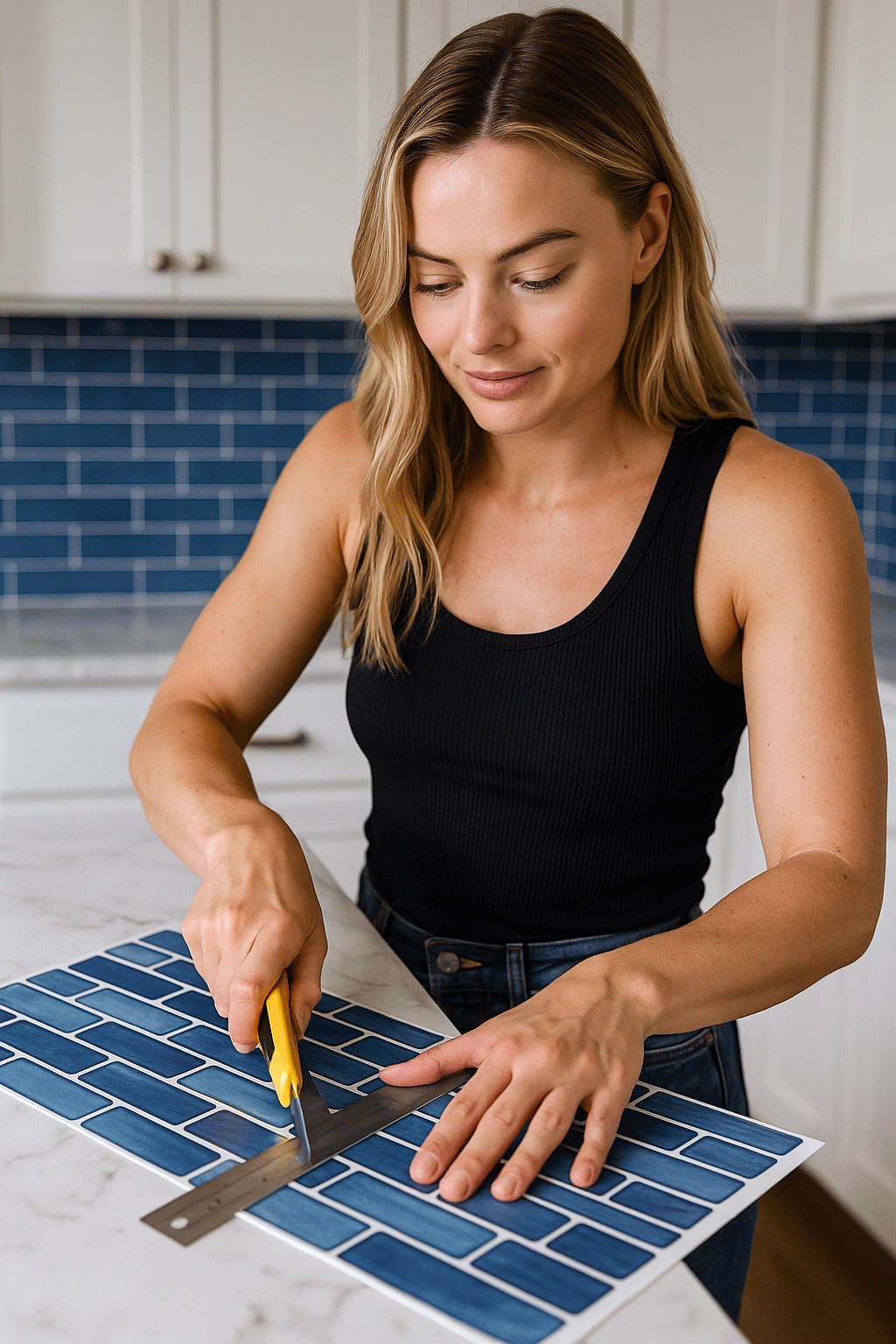
Cutting the tiles is pretty straightforward. Most peel-and-stick varieties can be trimmed with a sharp utility knife, but heavy-duty scissors or a box cutter with a straight edge work too—just depends on the material. When you’re cutting around outlets, switches, or corners, trace the shape onto the tile with a pencil first, then go slow and steady. A cutting mat or scrap piece of plywood underneath gives you a safe, sturdy surface and helps keep your cuts clean and accurate.
If you want your backsplash to look as close to the real thing as possible, pay attention to the grout lines and avoid letting the seams between tile sheets show. Many peel-and-stick options are designed to slightly overlap—this hides the edges and gives a seamless look. Some even have alignment guides printed on the back—use them! These little tricks make all the difference in getting that high-end, clean finish without ever mixing a batch of thinset.

Seal the Edges (Optional but Worth It)
Peel-and-stick tiles are water-resistant, which is great—but they’re not completely waterproof, especially in high-moisture areas like around sinks or behind stoves. To help your backsplash hold up over time, it’s a smart move to run a thin bead of clear silicone caulk along the edges where the tile meets your countertop, around corners, and near any appliances. This creates a clean, sealed edge that keeps water from creeping underneath and lifting the adhesive over time.
Now, this step is technically optional—but if you’ve come this far, it’s absolutely worth the few extra minutes. Not only does it add a layer of protection, but it also gives your project a clean, finished look that rivals a professional install. Think of it like the topcoat to your DIY backsplash manicure—it seals everything in and makes your hard work last that much longer.
Finishing Touches That Make It Look Custom
To get that “Wait… did you hire someone?” reaction, don’t skip the finishing touches—they’re what take your project from DIY to dang, that looks pro. Start by giving the tiles a good wipe-down with a damp cloth to clean off fingerprints, dust, or any stray adhesive. Next, check your outlets and switches. If the new tile surface makes them sit too deep, grab some outlet extenders—super cheap and easy to install, and they’ll help your switch plates sit flush for a cleaner finish.
If your backsplash ends mid-wall or around an open corner, consider using a peel-and-stick edge trim to cover those exposed tile edges. It gives the whole thing a polished look and keeps the edges from lifting or chipping over time. Want to take it a step further? Frame the entire backsplash with a thin strip of wood trim, painted to match your cabinets or walls. It’s a subtle touch, but it adds that custom, built-in feel that makes people ask who did the work—and you get to proudly say, “I did.”
Final Thoughts
Installing peel-and-stick backsplash is one of those golden DIY projects that delivers big results without the usual stress. It’s budget-friendly, renter-approved, and shockingly simple to pull off in just a few hours. With the right prep, a solid plan, and a little bit of patience, you’ll end up with a backsplash that looks clean, custom, and way more high-end than the price tag suggests.
So go for it—say goodbye to that boring blank wall and bring in some character. Whether you’re adding charm to a rental or putting your stamp on your forever kitchen, peel-and-stick tiles make it easy to create a space that feels fresh and personal. No grout, no sawdust, no regrets—just a fun, approachable project with a seriously satisfying finish.